

🌊 Why Turkey Offshore Energy Plan Matters for Real Estate
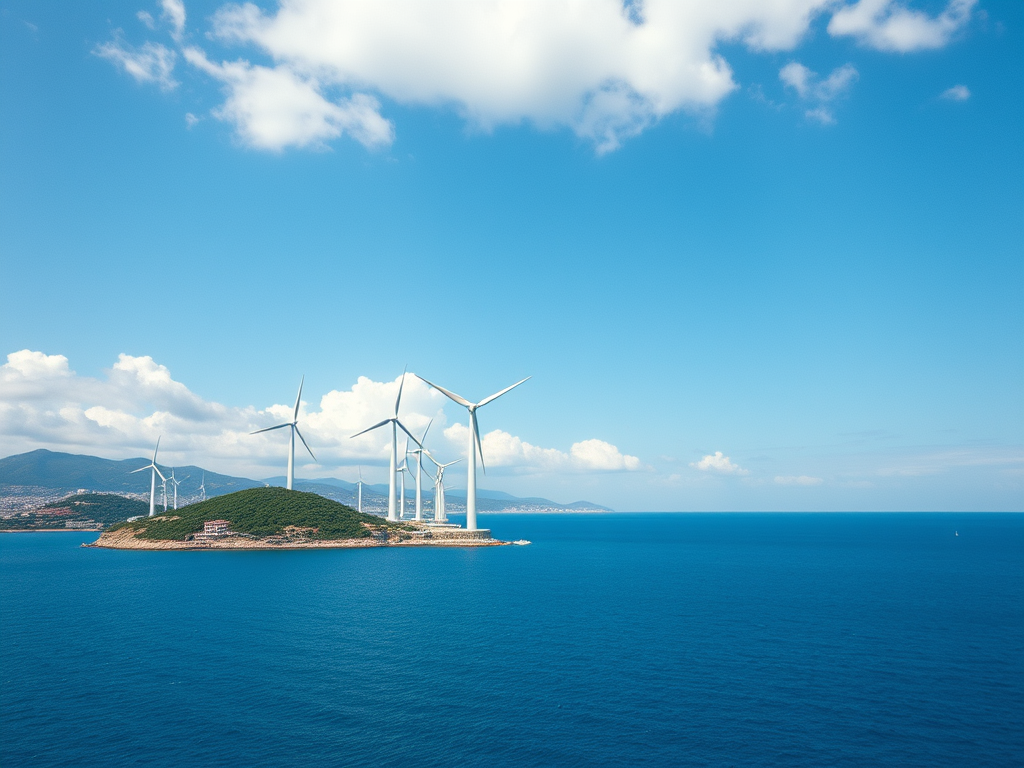
Turkey is entering a new phase of renewable energy growth, with offshore wind playing a pivotal role. Explore Turkey Offshore Energy Plan as this emerging sector presents fresh opportunities for coastal property markets, industrial hubs, and investors seeking long-term value. For real estate professionals, understanding this trend means being ahead of a market shift that blends energy, infrastructure, and coastal development.
Turkey’s Offshore Energy Plan ⚡️
- Target: ~5 GW of offshore capacity by 2035
- Focus regions: Sea of Marmara as the launch area
- Goal: Strengthen energy security, stabilize costs, and attract infrastructure investment
Coastal Real Estate Opportunities 🏝️
Positive Impacts:
- Energy savings: Access to renewable power can reduce operational costs for hotels, marinas, and large developments.
- Industrial growth: Ports and logistics zones may experience a rise in land values.
- Job-driven demand: Workforce housing near project sites may see increased rental yields.
Potential Challenges:
- Visual impact on premium coastlines
- Temporary construction-related disruption
- Regulatory adjustments in marine and coastal zoning
Turkey Offshore Energy Plan: Investment Timeline 🗓️
- Short-term (1–3 years): Permitting, stakeholder consultations, and port activity increase.
- Mid-term (3–7 years): Initial turbines become operational; industrial and housing demand rises.
- Long-term (7–15 years): Grid stability improves; regional economic benefits extend to mixed-use and hospitality sectors.
Investor Checklist: What to Focus On ✅
- Land near offshore project zones
- Deep-water ports with crane capacity
- Grid connection potential
- Community sentiment and tourism sensitivity
- Availability of government or regional incentives
Key Coastal Areas: First Movers Win 🏗️
The Sea of Marmara is leading development, offering first-mover opportunities for logistics bases, O&M (operations and maintenance) hubs, and residential projects tailored for a growing workforce.
Real Estate Segments with High Potential 🏘️
- Industrial & Logistics: Staging yards and assembly facilities for turbines
- Commercial: Offices and workshops for project operators
- Residential: Staff housing near ports and service towns
- Hospitality & Mixed-use: Eco-friendly resorts and tourism hubs aligned with renewable branding
Managing Risks ⚠️
- Regulatory delays → Build relationships with local authorities early.
- Community opposition → Offer local benefits, ensure transparency.
- Infrastructure bottlenecks → Focus on sites with existing capacity and planned upgrades.
Building “Renewable-Ready” Properties 🛠️
- Integrate EV charging infrastructure
- Explore power purchase agreements (PPAs) for cheaper offshore energy
- Add energy storage to manage peak demand
- Pursue green building certifications to enhance market value
How Ideal Estates Can Help 🧭
Ideal Estates supports investors and developers by providing:
- Strategic site selection and due diligence
- Permit and regulatory guidance
- Market trend analysis and property valuation forecasts
- Design and sustainability integration
- Connections to developers and energy partners
Action Plan for Coastal Investors 🚀
- Identify sites near confirmed offshore zones
- Assess port and grid infrastructure
- Model potential energy savings
- Engage communities and regulators early
- Secure land or development rights ahead of construction peaks
Interested in leveraging Turkey’s offshore energy expansion for your coastal property investments? Contact Ideal Estates today for a personalized property analysis or subscribe to our newsletter for exclusive market insights.
FAQs About Turkey Offshore Energy Plan
Q1: When will offshore energy influence property values?
Within 3–5 years near active projects, with broader impacts over the next decade.
Q2: Do turbines affect coastal views?
In some locations they are visible, but many see them as symbols of progress and sustainability.
Q3: Which property types benefit first?
Industrial, logistics, and residential housing for workers are early beneficiaries.
Q4: Does Turkey have capacity to supply turbine components?
Yes, its industrial base is positioned to scale up for offshore demand.
Q5: How can I assess investment potential?
Evaluate proximity to projects, grid access, zoning permissions, and long-term energy agreements.


