

🏛️ Türkiye’s Top Archaeological Discoveries of 2025: Neolithic Wonders to Roman Cities
Türkiye continues to stand at the crossroads of civilization, history, and discovery. Türkiye’s Top Archaeological Discoveries of 2025 have revealed extraordinary remains spanning nearly 20,000 years of human history, from Paleolithic figurines to Roman mosaics and medieval shipwrecks. These groundbreaking finds not only expand global historical knowledge but also reinforce Türkiye’s importance as one of the world’s richest archaeological landscapes—an increasingly attractive destination for cultural tourism and heritage investment.
🔍 Landmark Neolithic Discoveries Transform Prehistory
🗿 Karahantepe — Redefining Early Civilization
Among the most influential discoveries of 2025 is the continued excavation of Karahantepe, a Neolithic settlement in southeastern Türkiye dating back more than 12,000 years.
Archaeologists uncovered:
- 🧍♂️ A T-shaped stone pillar with a carved human face
- 🪨 Monumental ritual architecture
- 🔥 Evidence of organized ceremonial activity
This discovery is historically transformative. It suggests early humans possessed advanced symbolic thinking and social hierarchy far earlier than previously believed—placing Karahantepe alongside the world-famous Göbeklitepe as a cornerstone of prehistoric research.
🏺 Classical and Roman Period Unearthings
🏛️ Urban Life in the Ancient World
Excavations across western and southern Türkiye revealed remarkable insights into Roman and Hellenistic civilization:
- 🧩 Herakleia – Exceptionally preserved Roman mosaics featuring marine life
- 🏺 Assos – A 2,200-year-old mosaic and monumental Roman family tomb
- 🗿 Metropolis (Izmir) – Nearly 2,000 bronze statue fragments
These findings illustrate:
- Advanced city planning
- Artistic mastery
- Complex social and religious systems
Together, they provide rare, tangible evidence of everyday life in antiquity.
🎭 Sculptures and Mythological Artifacts
🗿 Gods, Heroes and Roman Artistry
Several major sculpture discoveries enriched understanding of ancient belief systems:
- 🕊️ Perge (Antalya) – Statues including Aphrodite with Eros riding a dolphin
- ⚖️ Aspendos – Fragments representing Hermes, Artemis, Nemesis, and Eros
These statues reflect:
- High-level craftsmanship
- Mythological storytelling
- The political and religious symbolism of Roman Anatolia
Such finds significantly contribute to museum collections and global art history research.
🌊 Underwater Archaeology Breakthroughs
⚓ Abbasid-Era Shipwreck Discovery
Off the coast of Kas, underwater archaeologists recovered a sealed amphora from a shipwreck dating back approximately 1,100 years.
Key insights include:
- 🚢 Maritime trade routes linking Anatolia and the eastern Mediterranean
- 🫒 Cargo believed to contain olive oil or wine
- 🌍 Evidence of Islamic-era commercial expansion
Underwater archaeology continues to reveal Türkiye’s role as a vital maritime hub across centuries.
🦴 Paleolithic Discoveries Rewrite Human Origins
🪨 19,000-Year-Old Figurines
At the Kizilin Epipalaeolithic Site, archaeologists uncovered some of Anatolia’s oldest known stone human figurines.
These rare artifacts reveal:
- 🎨 Early artistic expression
- 🧠 Abstract thinking before agriculture
- 🔥 Social and ritual identity formation
Nearby cave sites produced obsidian tools, animal bones, and hunting weapons—offering insight into early survival strategies and primitive trade.
⛪ Religious and Funerary Discoveries
✝️ Early Christianity in Anatolia
Major religious findings include:
- 🕍 The oldest known church structure in the Prusias and Hypium region
- 🪦 Underground burial chambers featuring frescoes of Jesus as the Good Shepherd
- 🕯️ Fifteen newly identified religious buildings in the Karadag region
These discoveries document:
- The transition from paganism to Christianity
- Monastic life and hermitage traditions
- Early Christian iconography in Anatolia
🛡️ Iron Age Military Architecture
🏰 Urartian Fortress Complex
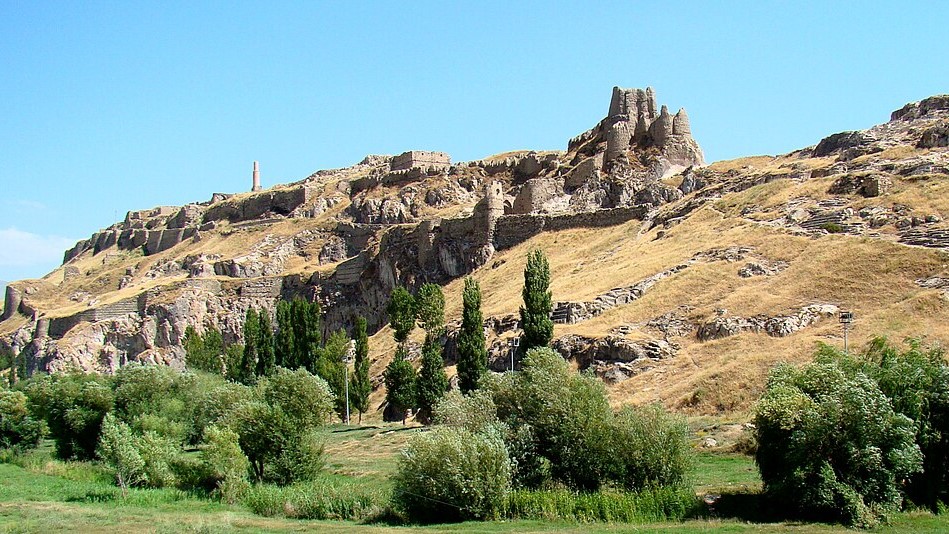
In eastern Türkiye, archaeologists uncovered a massive Iron Age Urartian fortress featuring:
- 🧱 4 kilometers of defensive walls
- 🚪 Nearly 50 internal rooms
- 🔭 Strategic hilltop positioning
The fortress demonstrates the advanced military engineering of ancient Anatolian kingdoms and reinforces the region’s geopolitical significance in antiquity.
📊 2025 Discovery Overview Table
| 🗺️ Category | 📍 Location | ⭐ Major Findings |
|---|---|---|
| Neolithic | Karahantepe | Human-faced T-pillars |
| Paleolithic | Kizilin Cave | 19,000-year-old figurines |
| Roman | Perge, Aspendos | Statues & mosaics |
| Urban Life | Metropolis | Bronze sculpture cache |
| Maritime | Kas Coast | Abbasid amphora |
| Religious | Iznik, Karadag | Churches & frescoes |
| Military | Eastern Anatolia | Urartian fortress |
🌍 Why These Discoveries Matter
These archaeological breakthroughs:
- 📚 Redefine global human history
- 🧭 Strengthen Türkiye’s cultural tourism sector
- 🏗️ Support heritage-led real estate development
- 🏛️ Increase international academic collaboration
For investors, historians, travelers, and property buyers alike, heritage-rich regions continue to grow in long-term value and global appeal.
❓ Frequently Asked Questions About Türkiye’s Top Archaeological Discoveries of 2025
Why is 2025 considered a landmark year for archaeology in Türkiye?
Because discoveries spanned over 20,000 years of history, from Paleolithic art to medieval trade routes.
What discovery attracted the most global attention?
The Neolithic human-faced pillar at Karahantepe due to its age and symbolic importance.
What do underwater finds reveal about Türkiye?
They confirm its historic role as a central hub in Mediterranean trade networks.
Are these archaeological sites open to visitors?
Some are accessible through museums or guided tours, while others remain under active excavation.
How do these discoveries impact modern Türkiye?
They enhance tourism, cultural identity, academic research, and heritage-focused development opportunities.


